



blog


Restoring Victorian Tiles at St Mary le Wigford
Have you been wondering how to restore your church floor? Or how to care for Victorian tiles? Read on to see how this church is restoring theirs.
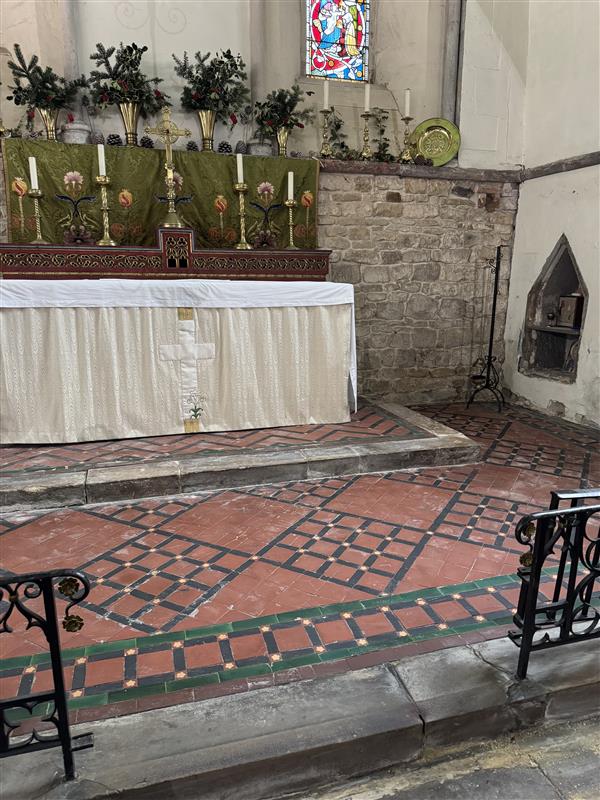
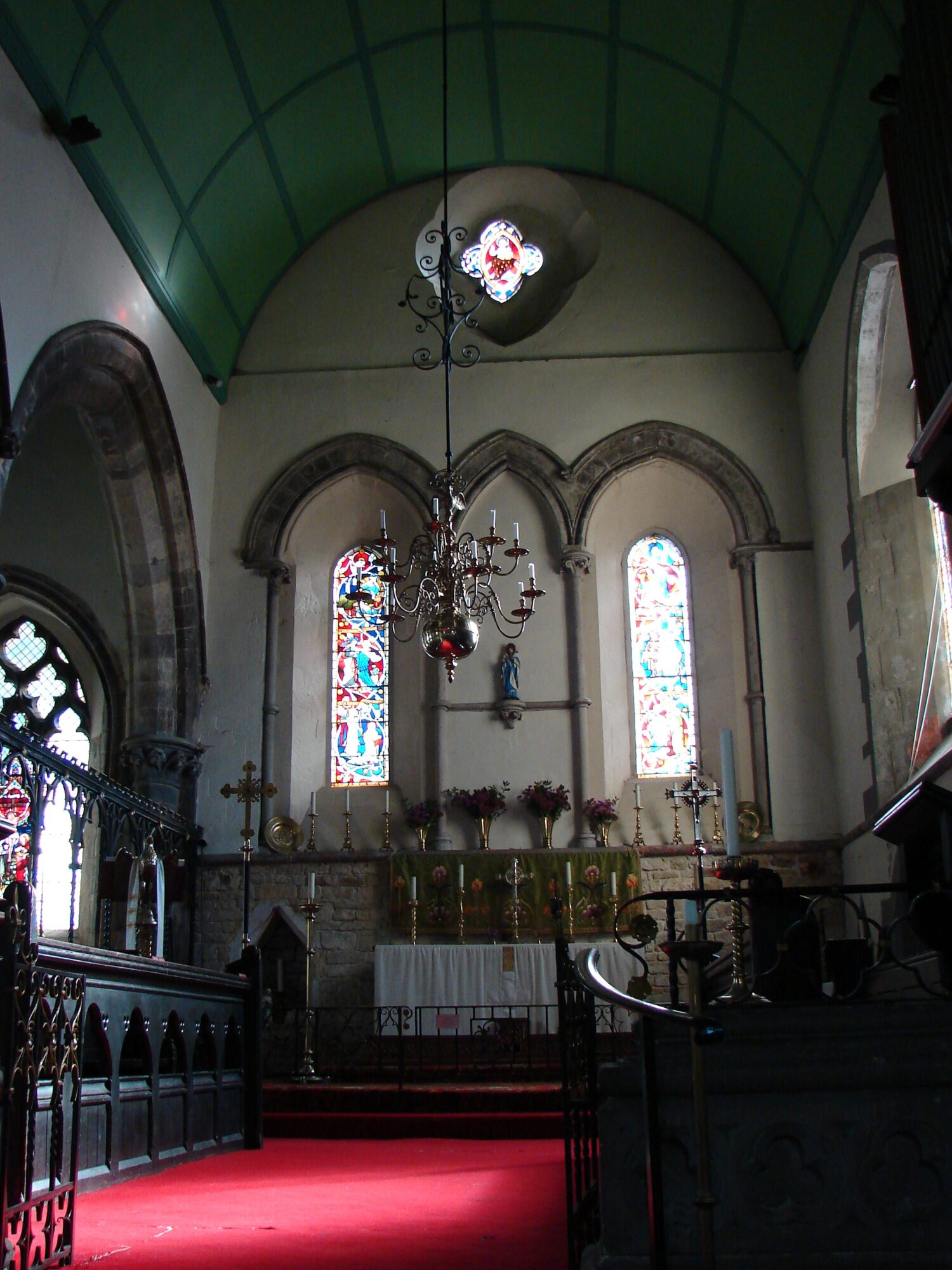
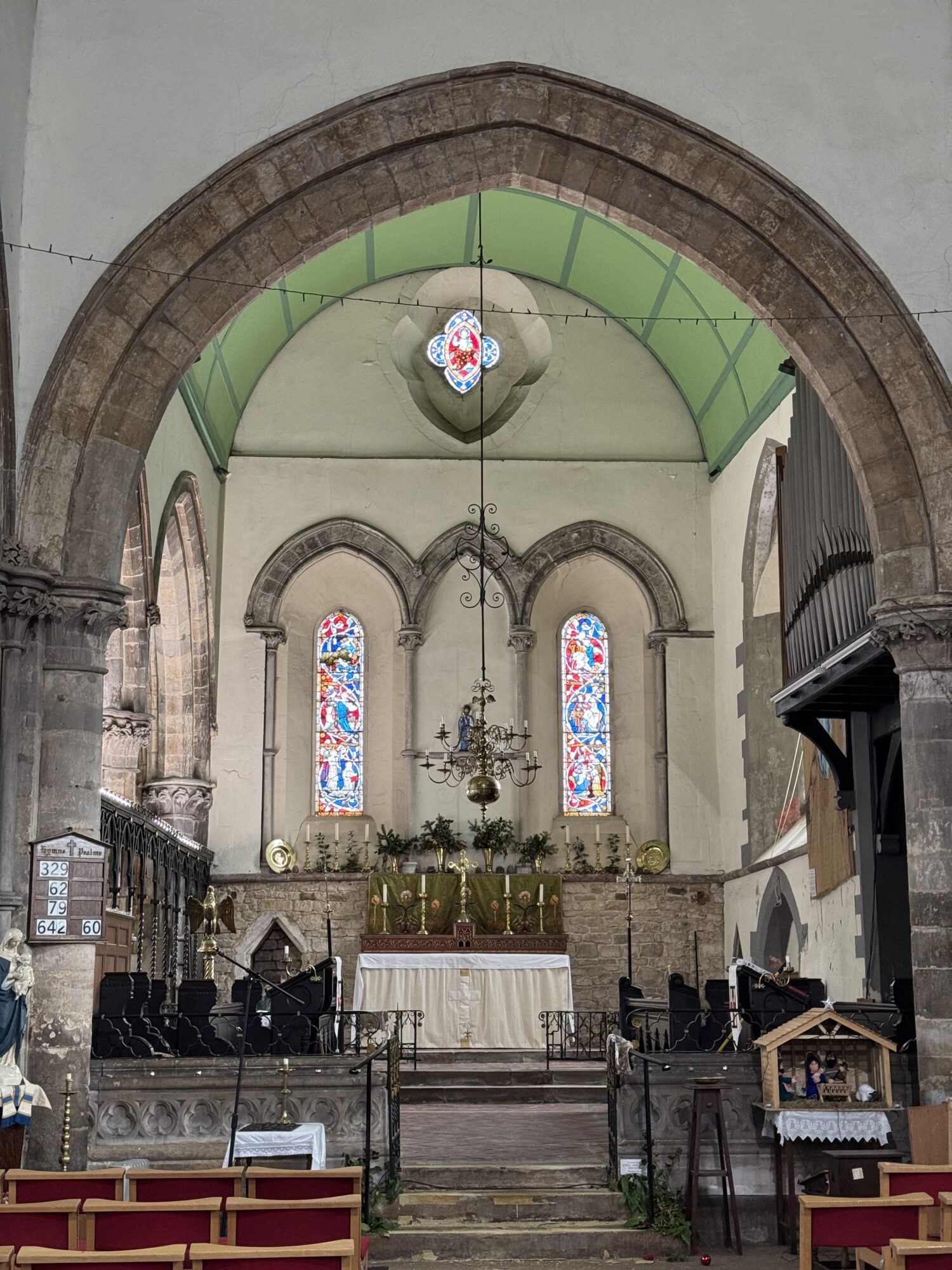
One of the most passed-by churches in Lincoln, not least by the railway line that runs just feet away from its South aisle, is making progress by removing unsuitable carpets from its chancel. The tiles beneath likely date back to the restoration of the 1870s, when the Gothic Revival was in full swing and reproducing medieval styles. It is hard to imagine now the vibrant colour that would once have filled our ancient churches but this gives us a peek.
Benefits are already being noticed and these are not only aesthetic, but acoustic. Those leading worship can now be heard clearly from the back of the church, and it is hoped that this will also be an asset to local musicians who wish to rehearse and perform in this space.
Undoubtedly this will also benefit their regular congregation who meet for worship at 12:30 on Wednesdays. Find out more here and read how to care for your church tiles below.
We would love to see you restore your church floor, but it is important to use the right materials to avoid doing more harm than good.
- Avoid applying any modern plastic-based sealants which will trap moisture. This not only deteriorates the flooring but will make your building feel colder. Linseed oil or beeswax can be used to restore shine, but test this in a small area first as it can make the surface slippery and take time to dry down.
- Be mindful not to use harsh abrasives or bleaches, or to introduce too much water while cleaning.
- Conscientious use of a fine scraper, a weak washing up liquid solution, and a little warmth can be all it takes to remove glue or carpet backing residues.
If you need help further to the above, please contact the Church Buildings Team for tailored advice, at churchbuildings.team@lincoln.anglican.org