


download


Tending and Curating
Our inheritance and legacy
- Tags:
- Community
- ,
- Environment
- ,
- Church
- ,
- Church Project
- ,
- Churchyard
- ,
- Community Engagement


Quick Tips for Caring for God’s Acre
Churchyards are a places of quiet reflection, remembrance and healing, especially in times of bereavement. They are also homes to rare and valuable creatures and plants. Here ‘Caring for God’s Acre’ share with us some useful tips in approaching the care and management of churchyards to honour those who remain, those who have gone before and those who are to come after.
Caring for God’s Acre is a national organisation who work with the Church of England supporting church groups in caring for the rich habitat and biodiversity of flora and fauna to be found in our special church outdoor spaces – churchyards and graveyards. These tips are to help your church group get started.
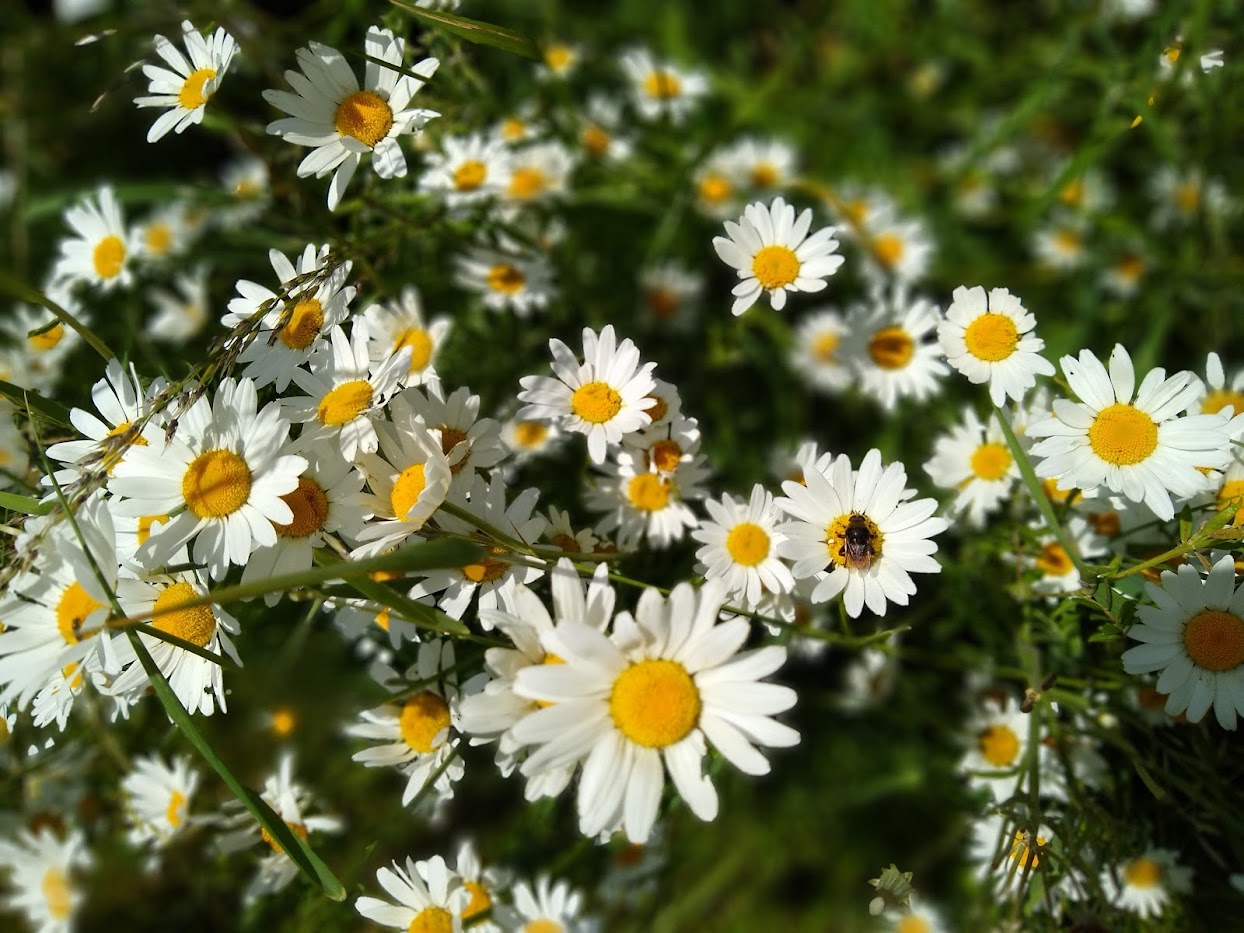
Five Ways to Welcome Wildlife to Your Churchyard
1 Create a Meadow
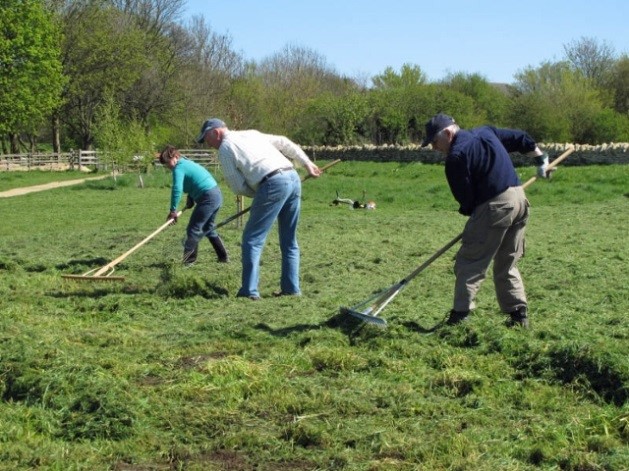
Choose an area of grass which is in full sun and which is currently mown short. Leave it uncut for about 14 weeks over the spring and summer. See how many wildflowers come up naturally, you will probably be surprised. Scythe or strim the long grass, rake it up and remove it to a compost heap or use it to make hay.
2 Help veteran trees by looking after their roots
Churchyards are fantastic for veteran trees, particularly yews. Gently clear below veteran and ancient trees, removing young saplings, piles of grass cuttings, sheds, grave spoil, old bottles and anything else that is there. Remove ivy from yew trees but often there is no need to do so from other species unless advised to by an arboricultural expert.
3 Give wildlife a home by making habitat boxes, deadwood piles and compost bays
Consider putting swift boxes behind the louvres in the church tower. Erect a range of different sized bird boxes, including open fronted ones for Spotted Flycatcher and Robin. Put bat boxes up in trees, (seek advice on location first). Hedgehogs, amphibians such as frogs and newts and reptiles such as slow worm all love deadwood piles and compost heaps, using them to hunt for snails, beetles, worms and other invertebrates. Create a pile of deadwood in a shady place using logs and twigs of a variety of sizes. Compost your grass cuttings.
4 Be a little untidy
Try to have an area of tussocky grassland or scrub, perhaps against a wall or round the back, away from the church entrance. Cut and clear this back every two or three years, doing a section each year. This will be fantastic shelter and great for overwintering invertebrates as well as amphibians and reptiles. Hedgehogs love places like this too.
5 Plant for pollinators
Make sure your flowerbeds or plant pots contain species that are useful to insects. Native plants and grasses, plus both early spring and autumn flowering species are ideal. How about some herbs which people can enjoy too? The wildflower Viper’s Bugloss is outstanding and very attractive too.
Five Ways to Welcome People Too!
1 Make a plan
Draw up a management plan using the Caring for God’s Acre system in our Action Pack. This involves the local community and reassures people that the churchyard is being cared for, and that there are reasons for any changes they may notice. It is a simple, map-based plan with a timetable of jobs that all can join in with
2 Keep short mown grass in key areas
Mow regularly around the church building, on either side of surfaced paths, where there are current graves and war graves. Mow meandering paths through your meadow areas. Collect the grass cuttings when you mow, this is good for wildflowers and makes the churchyard look neat and tidy.
3 Put up explanatory notices
Let people know what you are doing whenever you can. Put a temporary notice by your meadow area explaining why it is unmown and when it will be cut. Pin up your management map in the porch and put it onto a website, write articles for parish magazines and speak to the local papers or radio. Always invite people to share their views, get involved and to help.
4 Run an event in Love Your Burial Ground Week
Please join in with this national initiative. Taking place in June, it is a great time to show off your lovely churchyard, get together and celebrate all you’ve achieved. If you are taking part in Churches Count on Nature then please run an event during this week. Use our Education Pack to encourage children to explore. How about a leaf mobile or a scavenger hunt of memorial symbols?
5 Encourage recording of wildlife
This can become a compulsive habit so Beware!
Put a list of wildlife seen up on notice boards and ask visitors to make a note of anything that they notice, encouraging them to make a biological record. Please try our system for recording, you’ll find it in the Recording Species area of our website. Start with something easy such as a Holly tree, Magpie or Squirrel. Children love doing this and its rewarding for all to see the records of your churchyard on a national map.
What next?
Websites
Caring for God’s Acre have a wealth more resources, guides and downloads in far more depth to help you care for your churchyard with environmental integrity.
Visit
There are exemplary churchyards across the Diocese of Lincoln who are tending to their churchyard with environmental integrity, caring for people and the place. Contact St Nicholas Carlton Scroop, or All Saints Barrowby to get some ideas.
Considerations
The British Lichen Society can help advise on how to look after lichens on headstones.
There are important faculty regulations which need consideration when engaging with churchyards. If you are in doubt contact the Church Buildings Team or your Archdeacon for advice: churchbuildings.team@lincoln.anglican.org.